Products
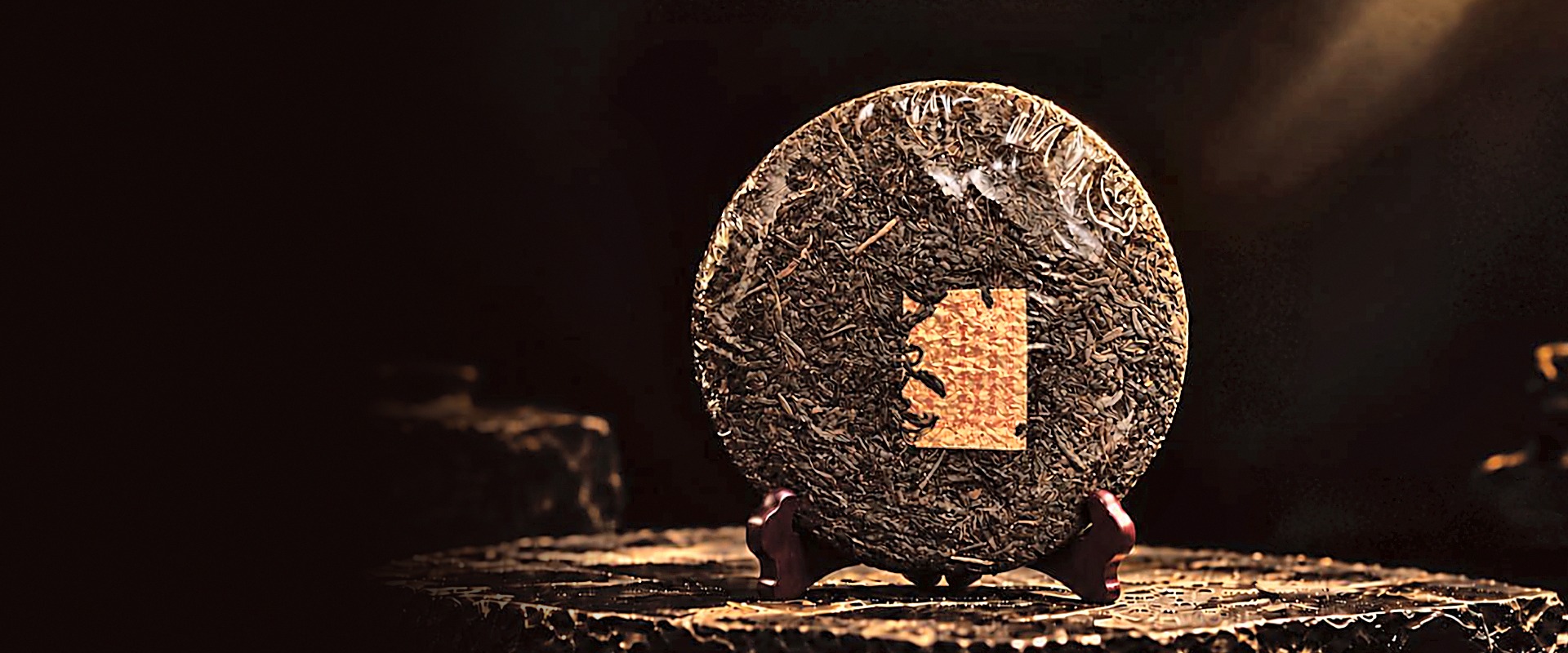
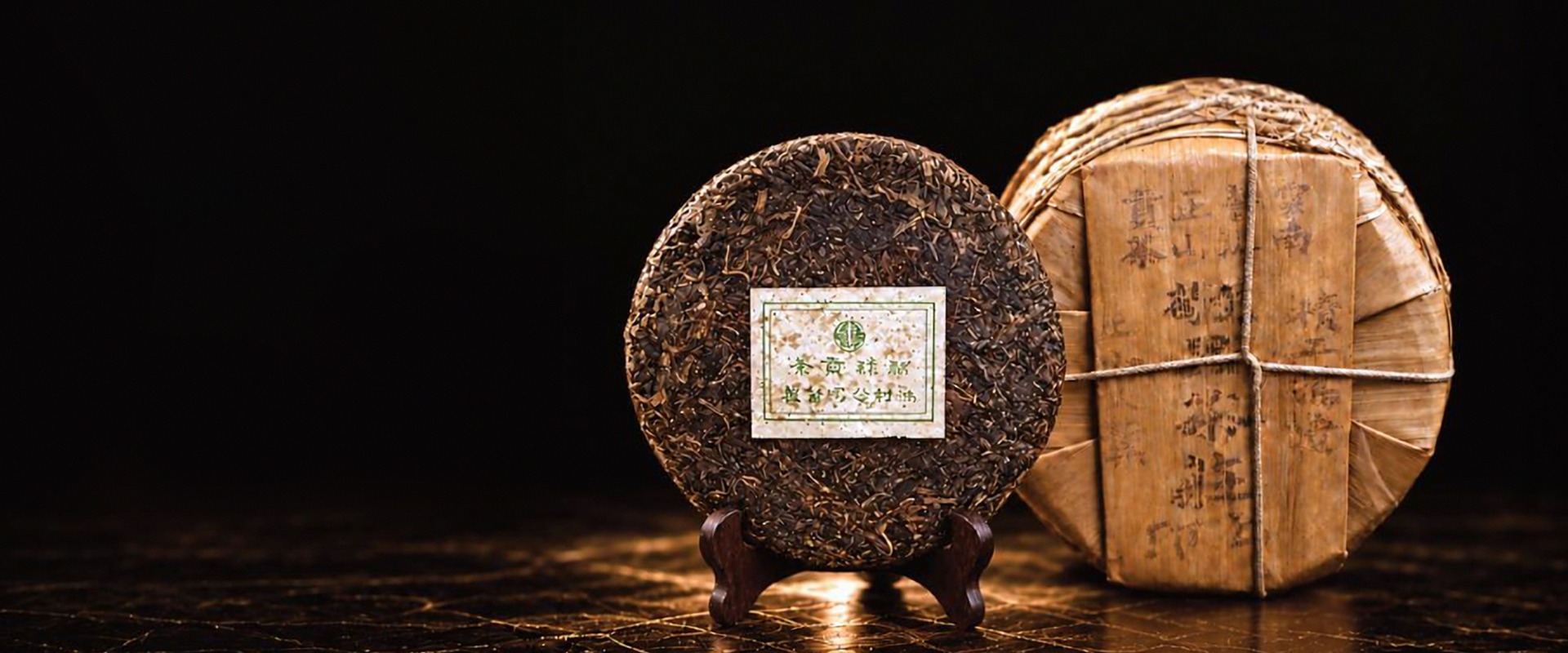
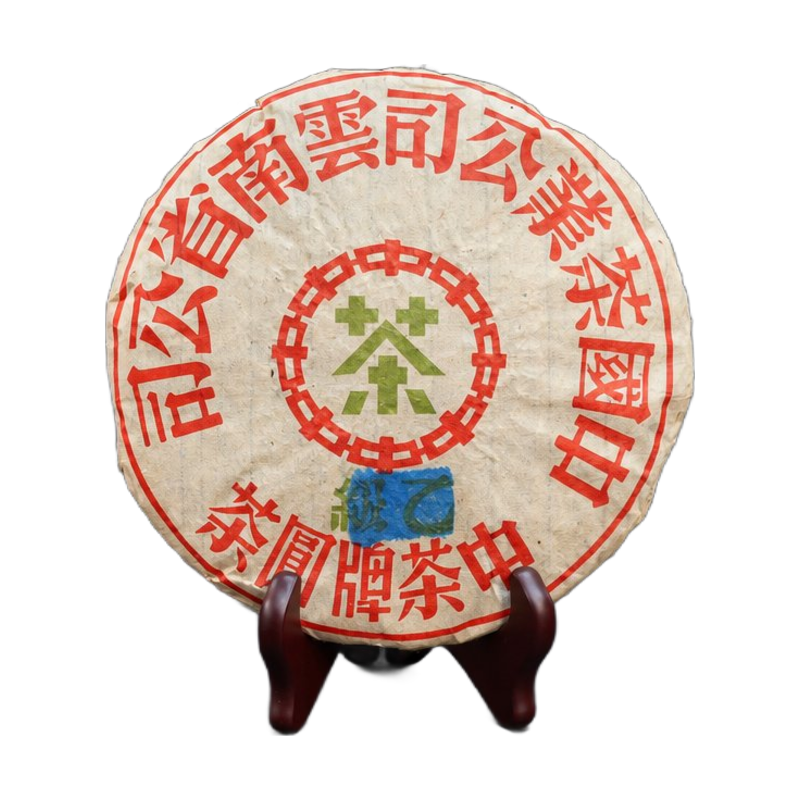
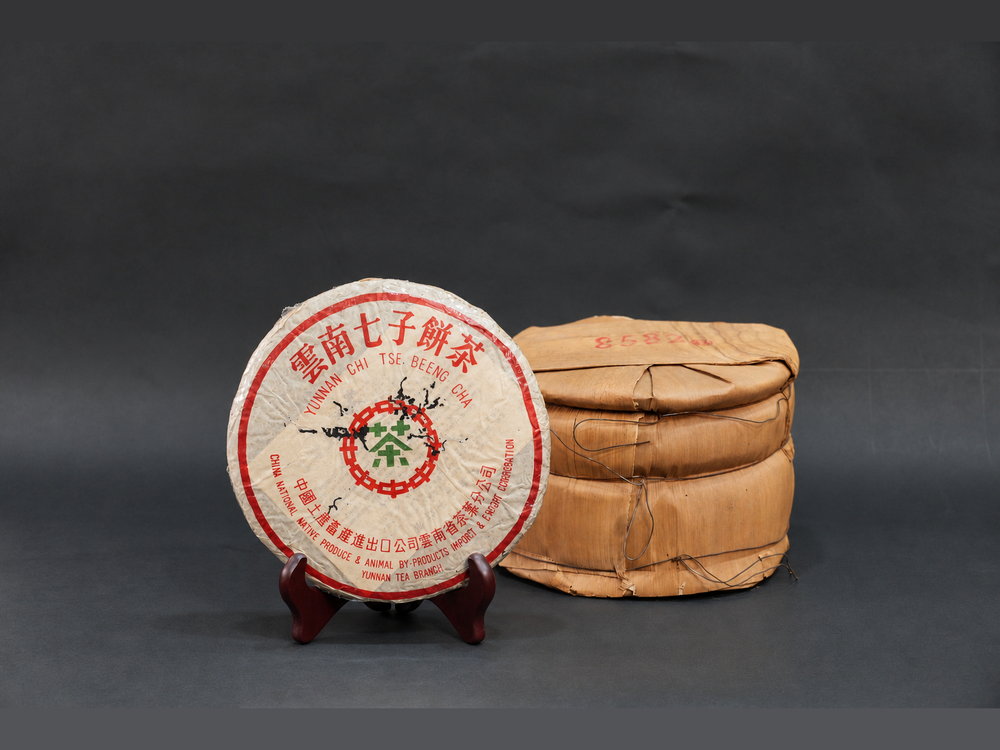
Pu-erh Tea
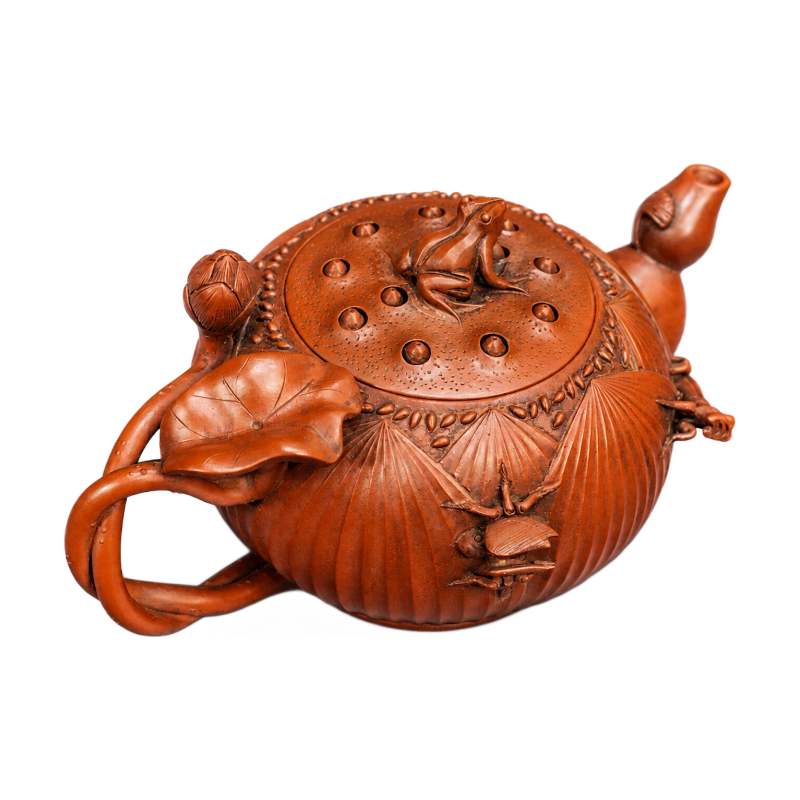
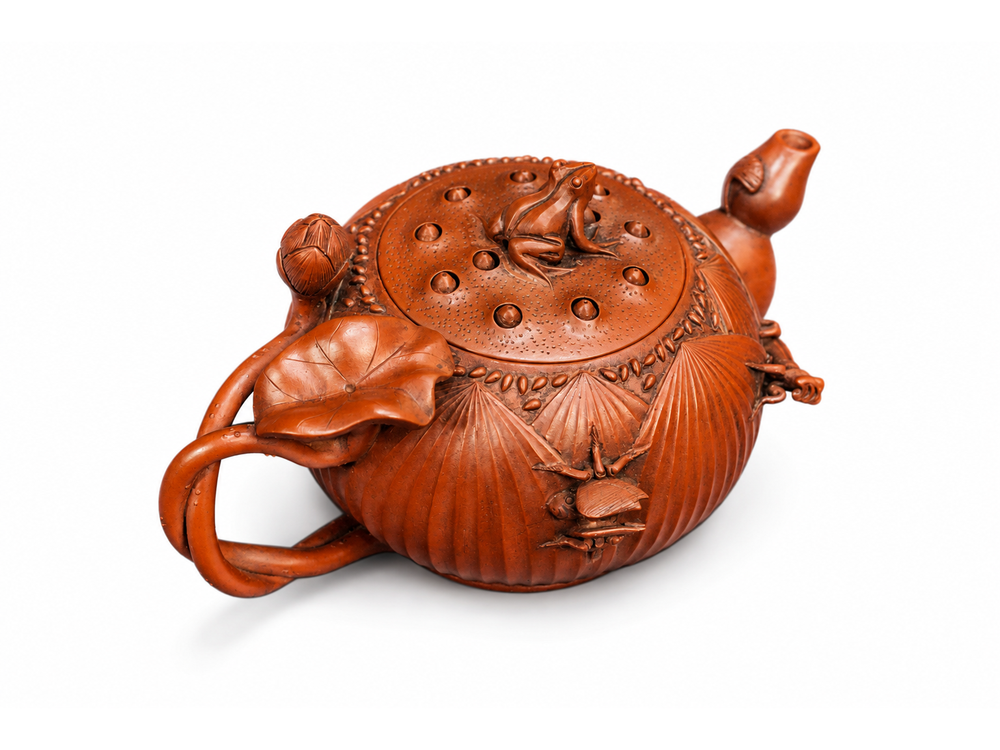
Collectible Teapots
Tea culture runs deep and long. For thousands of years, tea has been more than a simple, refreshing cup; it has carried the spirit and sentiments of scholars and literati through the ages.
For more than thirty years, our journey with tea has led us from high-mountain teas, white teas and rock teas to raw and ripe Pu-erh, and finally to aged Pu-erh refined by the passing years. A simple love of tea gradually drew us into its deep and richly fragrant world.
Over the years, our tea cellar has steadily grown, and with it our world of tasting and collecting.
Tieguanyin aged forty and seventy years each has its own distinctive character, while the craftsmanship and blending of tea gardens past reveal rich layers as they mature. Each decade of transformation never fails to surprise.
Recently we tasted a Small Green Mark aged for more than forty years. Its energy and depth were full and rounded, gradually revealing a mature and profound character.
The unique character that comes from storage also echoes the experience of many seasoned tea friends over the years.
At thirty one stands firm; at forty one is free of doubt; at fifty one knows heaven's will; at sixty one's ear is attuned; seventy is a rare age, and eighty a venerable one.
Through trials and growth, a person gradually matures over a lifetime; so too does tea, revealing a different face at each stage as the years go by.
A century-old tea carries not only the marks of time but also bears witness to the evolution of tea culture. Over the years its value gradually shines through, until at last it becomes part of history.
Looking back on more than thirty years of collecting, tea is no longer just something in the cup; it is more like an old friend we have known for many years.
In quiet moments, we brew a pot of treasured aged tea and savor its mellow richness and lingering sweetness; at times a wisp of agarwood incense adds a touch of elegance and calm.
Amid the drifting aroma of tea, we find balance of body and mind, and a sense of ease in life.
The meaning of collecting lies not only in a tea's age and rarity, but in understanding tea culture and cherishing every passing year.
In one cup, we taste the years; over thirty years, we have stored our devotion. The fragrance of tea may fade, but its lingering charm is endless.
May this collection allow more people who know and love tea to share in the timeless, ever-renewing character of aged Pu-erh.
Pu-erh comes from Yunnan, but it was collectors in Hong Kong and Taiwan in the 1990s who turned it from an everyday tea into a collectible. After 2000, capital and policy in mainland China built it into a vast industry. One side defined the value of aged tea; the other set the standards for new tea.
Start by deciding between raw and ripe, then look at the factory and recipe, the cake itself and its storage, and finally confirm by brewing. Aged Pu-erh is valuable and often imitated, so choosing a trustworthy source matters more than any single tip.
Xizhen Pu-erh will take part in Sydney Tea Expo 2026, held 27–29 November 2026 at Sydney Town Hall, Australia, to share our aged Pu-erh and Zisha teapot collections with tea lovers in Australia and beyond. We warmly invite you to visit us.
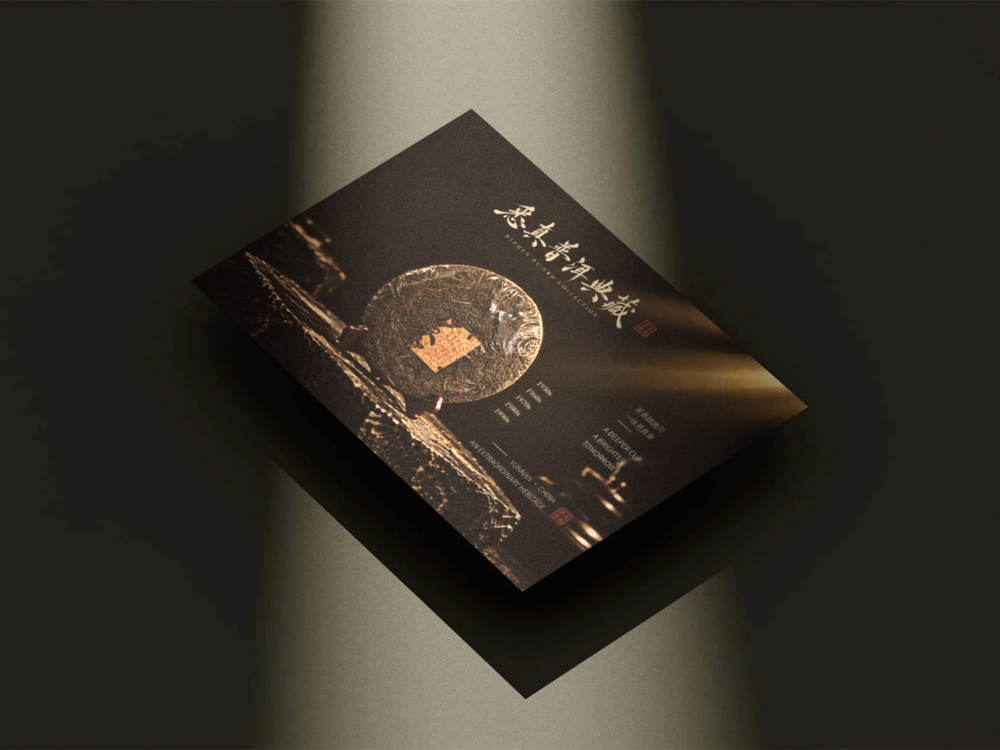
Xizhen Pu-erh has released a new e-catalog featuring photos and details of its Pu-erh tea and collectible teapot collections. It is available now as a free download under Media › E-Catalog on our website.
We use cookies to improve your browsing experience. By continuing to use this site, you agree to our use of cookies. For more details, please visit our PRIVACY page. Thank you!